

The Emergence of Virtual Reality (VR) Job Interviews
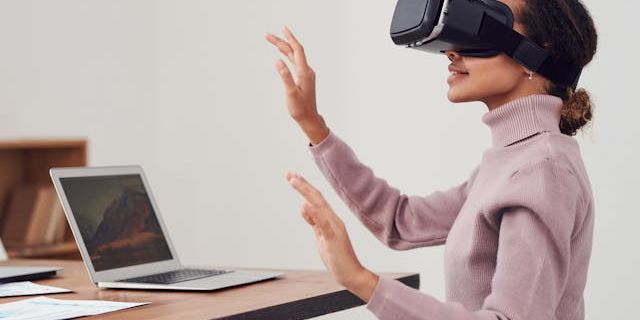
The landscape of job recruitment and interviews has seen a dramatic transformation in recent years, driven by advancements in technology. One of the most groundbreaking developments in this arena is the emergence of Virtual Reality (VR) job interviews. As VR technology becomes more accessible and sophisticated, it is revolutionizing how employers and candidates experience the interview process. This article explores the rise of VR job interviews, their benefits, challenges, and prospects.
Understanding VR Job Interviews
What Are VR Job Interviews?
Virtual Reality (VR) job interviews utilize immersive technology to create a simulated environment where candidates and interviewers can interact. Unlike traditional video interviews conducted via platforms like Zoom or Skype, VR interviews provide a more interactive and engaging experience. Candidates can enter a virtual room, interact with virtual objects, and even participate in simulated job tasks.
How VR Interviews Work
VR interviews typically require both the candidate and the interviewer to wear VR headsets. These headsets transport participants into a virtual space designed to resemble a real-world interview setting. The process usually involves:
- Preparation: Candidates and interviewers set up their VR equipment and software. They may need to download specific applications or platforms that host the VR interview.
- Immersion: Once logged in, participants are immersed in a virtual environment. This could be a virtual office, a conference room, or any other setting chosen by the employer.
- Interaction: The interview proceeds with participants interacting naturally. They can make eye contact, use hand gestures, and even manipulate virtual objects if necessary.
- Assessment: In some cases, candidates may be asked to complete tasks or simulations relevant to the job, providing a practical assessment of their skills.
Benefits of VR Job Interviews
Enhanced Candidate Experience
- Realistic Interaction: VR interviews offer a more lifelike interaction compared to traditional video calls. This can help candidates feel more engaged and comfortable.
- Immersive Environment: The immersive nature of VR can reduce distractions and help candidates focus better during the interview.
- Showcasing Skills: Candidates can demonstrate their abilities in a simulated work environment, providing a clearer picture of their potential performance on the job.
Improved Employer Assessment
- Comprehensive Evaluation: VR allows employers to assess not only verbal responses but also non-verbal cues such as body language and eye contact.
- Simulated Tasks: Employers can create scenarios that mimic real job tasks, offering a practical evaluation of a candidate’s skills and problem-solving abilities.
- Consistency: VR interviews can standardize the interview process, ensuring all candidates experience the same conditions and questions, leading to fairer assessments.
Cost and Time Efficiency
- Reduced Travel: VR interviews eliminate the need for candidates and interviewers to travel, saving time and reducing expenses.
- Streamlined Process: The ability to conduct interviews virtually can speed up the recruitment process, allowing employers to fill positions more quickly.
- Global Reach: Employers can interview candidates from anywhere in the world without the logistical challenges of coordinating in-person meetings.
Challenges of VR Job Interviews
Technological Barriers
- Accessibility: Not all candidates may have access to VR equipment, potentially limiting the pool of applicants.
- Technical Issues: Technical glitches, such as connectivity problems or hardware malfunctions, can disrupt the interview process.
- Learning Curve: Both candidates and interviewers may need time to become familiar with VR technology and how to navigate the virtual environment.
Psychological and Physical Comfort
- Motion Sickness: Some individuals may experience motion sickness or discomfort when using VR headsets for extended periods.
- Anxiety: The novelty of VR interviews can induce anxiety or discomfort for candidates not accustomed to the technology.
- Physical Strain: Wearing a VR headset for a long duration can cause physical strain, particularly on the eyes and neck.
Future Prospects of VR Job Interviews
Technological Advancements
- Improved Hardware: As VR hardware continues to evolve, we can expect more comfortable and user-friendly headsets, reducing physical discomfort and motion sickness.
- Better Software: Advances in VR software will enhance the realism and interactivity of virtual environments, making VR interviews even more effective.
- Integration with AI: The integration of artificial intelligence (AI) can enhance VR interviews by providing real-time feedback, analyzing candidate responses, and even personalizing interview questions based on candidate profiles.
Broader Adoption
- Increased Accessibility: As the cost of VR equipment decreases and accessibility improves, more companies and candidates will be able to participate in VR interviews.
- Standardization: As VR interviews become more common, standardized protocols and best practices will emerge, making the process smoother and more reliable.
- Wider Acceptance: As more people gain experience with VR technology, the initial novelty and anxiety will diminish, leading to broader acceptance and comfort with VR interviews.
Impact on Recruitment Practices
- Enhanced Diversity: VR interviews can help companies reach a more diverse pool of candidates by eliminating geographical barriers and reducing bias through standardized assessments.
- Efficient Onboarding: Beyond interviews, VR can be used for onboarding and training, creating a seamless transition for new hires.
- Sustainability: By reducing the need for travel and physical resources, VR interviews contribute to more sustainable and environmentally friendly recruitment practices.
Conclusion
The emergence of Virtual Reality (VR) job interviews marks a significant milestone in the evolution of recruitment practices. Offering a more interactive, engaging, and efficient alternative to traditional interviews, VR has the potential to transform the hiring process. While there are challenges to overcome, the benefits of VR interviews for both candidates and employers are substantial. As technology continues to advance and adoption becomes more widespread, VR job interviews are poised to become a standard practice in the future labour market, paving the way for a more dynamic and inclusive recruitment landscape.
4o