

How to Become a Successful Bee Farmer and Distributor
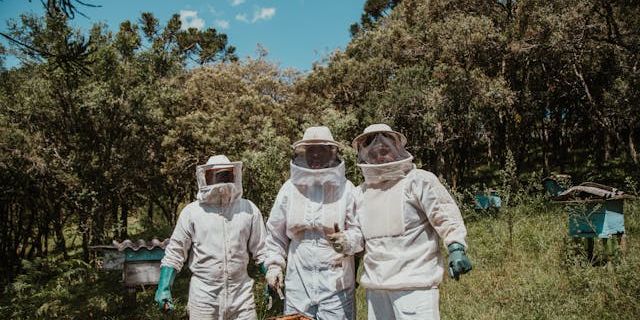
Beekeeping, or apiculture, is both an ancient practice and a modern agricultural venture. It offers numerous benefits, from producing honey and beeswax to contributing to the environment through pollination. If you're considering becoming a successful bee farmer and distributor, this comprehensive guide will walk you through the essential steps and provide valuable insights.
Understanding Beekeeping Basics
1. Learn About Bees and Beekeeping
Before you start, it's crucial to educate yourself about bees and the basics of beekeeping. Understanding bee biology, behavior, and the role they play in the ecosystem is fundamental. You can start with the following:
- Books and Online Resources: Books like "Beekeeping For Dummies" by Howland Blackiston and online platforms like the American Beekeeping Federation offer valuable information.
- Local Beekeeping Associations: Joining a local beekeeping club can provide hands-on experience and access to a community of experienced beekeepers.
2. Choose the Right Bee Species
Not all bees are the same. The most commonly kept species are the Western honeybee (Apis mellifera), known for their gentle nature and high honey production. Other species, such as the Italian bee (Apis mellifera ligustica) and the Carniolan bee (Apis mellifera carnica), have specific traits that might be advantageous depending on your location and goals.
3. Set Up Your Apiary
An apiary, or bee yard, is where you keep your hives. Consider the following when setting up your apiary:
- Location: Choose a location that is away from high-traffic areas but accessible for maintenance. Ensure there's a water source nearby.
- Hive Placement: Place hives facing south or southeast to take advantage of early morning sunlight. Ensure they are sheltered from strong winds.
- Hive Types: The Langstroth hive is the most popular due to its ease of use and standard size. Other types include the top-bar hive and the Warre hive, each with its own advantages.
Acquiring Bees and Equipment
4. Purchase Equipment
You'll need basic beekeeping equipment to get started:
- Hives: Complete hive setups, including brood boxes, honey supers, frames, and foundation.
- Protective Gear: A beekeeping suit, gloves, and a veil to protect yourself from stings.
- Tools: A smoker, hive tool, and bee brush are essential for hive inspections and maintenance.
5. Source Your Bees
You can obtain bees in several ways:
- Package Bees: A package typically includes a queen and several thousand worker bees.
- Nucleus Colonies (Nucs): These are small, established colonies with a queen, workers, and brood.
- Capturing Swarms: If you're adventurous, you can capture swarms in the wild, though this requires experience.
Managing Your Bee Colonies
6. Inspect and Maintain Your Hives
Regular hive inspections are crucial to ensure the health and productivity of your colonies:
- Frequency: Inspect hives every 7-10 days during the active season.
- What to Look For: Check for signs of disease, adequate food stores, queen health, and brood patterns.
- Record Keeping: Maintain detailed records of each inspection to track the health and progress of your hives.
7. Manage Pests and Diseases
Bees are susceptible to various pests and diseases, such as Varroa mites, American foulbrood, and Nosema. Implement integrated pest management (IPM) strategies, including:
- Monitoring: Regularly check for signs of pests and diseases.
- Treatments: Use approved chemical and non-chemical treatments as necessary.
- Hygiene: Maintain clean hives and equipment to prevent the spread of pathogens.
Harvesting and Marketing Your Products
8. Harvest Honey and Other Products
Knowing when and how to harvest is key to maintaining healthy colonies and maximizing your yield:
- Timing: Harvest honey when at least 80% of the frames are capped with wax.
- Extraction: Use an extractor to remove honey from the comb. Process and bottle the honey in a clean environment.
- Other Products: Consider harvesting beeswax, propolis, royal jelly, and pollen for additional revenue streams.
9. Develop a Distribution Plan
Effective distribution is crucial for your business success:
- Local Markets: Start by selling at farmers' markets, local stores, and through community-supported agriculture (CSA) programs.
- Online Sales: Set up an online store to reach a broader audience. Use social media and online marketing to promote your products.
- Wholesale: Partner with local restaurants, bakeries, and health food stores to sell your honey and other bee products in bulk.
Ensuring Sustainable Practices
10. Practice Sustainable Beekeeping
Sustainability is vital for the long-term health of your bees and the environment:
- Habitat Preservation: Plant bee-friendly flowers and trees to provide additional forage.
- Chemical Use: Minimize the use of chemicals in your hives and opt for natural alternatives whenever possible.
- Education and Advocacy: Educate your community about the importance of bees and advocate for policies that protect pollinators.
11. Continuously Improve Your Knowledge
Beekeeping is a lifelong learning process. Stay informed about the latest research and advancements in apiculture:
- Continuing Education: Attend workshops, seminars, and conferences.
- Networking: Connect with other beekeepers through associations and online forums to share knowledge and experiences.
Conclusion
Becoming a successful bee farmer and distributor requires dedication, knowledge, and a passion for bees. By understanding the basics of beekeeping, managing your colonies effectively, and developing a strong distribution plan, you can build a thriving beekeeping business. Remember, sustainability and continuous learning are key to long-term success in this rewarding and environmentally beneficial endeavor.