Crafting the Perfect CV, Resume, and Cover Letter: Your Complete Guide
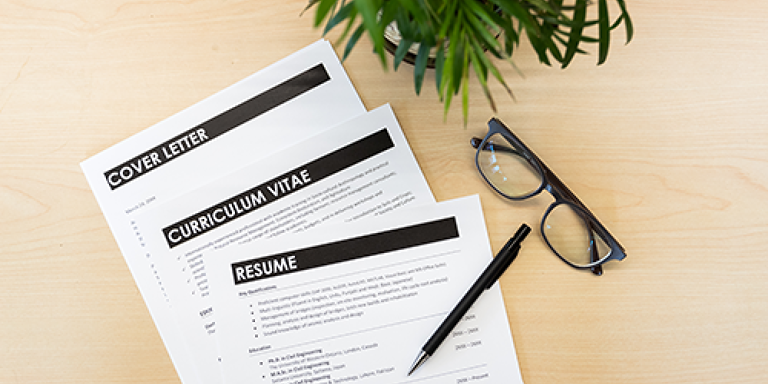
In today's competitive job market, having a well-crafted CV, resume, and cover letter is essential for standing out to potential employers. These documents serve as your first impression and can significantly impact your chances of landing an interview. In this comprehensive guide, we'll walk you through the process of crafting the perfect CV, resume, and cover letter to showcase your skills and experience effectively.
Understanding the Difference
Before diving into the details of each document, it's essential to understand the differences between a CV, resume, and cover letter.
- CV (Curriculum Vitae): A CV is a detailed document that provides an overview of your academic and professional background, including education, work experience, publications, awards, and certifications. It's typically used for academic, research, or scientific positions.
- Resume: A resume is a concise summary of your skills, qualifications, and work experience tailored to the specific job you're applying for. It's commonly used in the corporate sector and should highlight your most relevant achievements and experiences.
- Cover Letter: A cover letter is a personalized letter that accompanies your CV or resume when applying for a job. It allows you to introduce yourself to the employer, explain why you're interested in the position, and highlight your qualifications and suitability for the role.
Crafting the Perfect CV
Now that you understand the differences, let's dive into crafting each document, starting with the CV.
- Choose the Right Format: Depending on your industry and experience level, you may opt for a chronological, functional, or combination CV format.
- Personal Information: Include your name, contact information, and professional summary at the top of your CV.
- Education: List your educational background in reverse chronological order, including degrees, certifications, and relevant coursework.
- Work Experience: Detail your work history, including job titles, company names, dates of employment, and key responsibilities and achievements.
- Skills and Abilities: Highlight your relevant skills, technical proficiencies, languages, and any other qualifications that are relevant to the job you're applying for.
- Publications and Awards: If applicable, include any publications, awards, honours, or professional affiliations that showcase your expertise and accomplishments.
Crafting the Perfect Resume
Next, let's explore how to craft an impactful resume that grabs the attention of hiring managers.
- Choose a Clean Layout: Use a professional-looking template with clear headings and plenty of white space to enhance readability.
- Contact Information: Include your name, phone number, email address, and LinkedIn profile at the top of your resume.
- Professional Summary or Objective: Write a brief summary or objective statement that highlights your career goals and summarizes your qualifications and experience.
- Work Experience: Detail your relevant work experience in reverse chronological order, emphasizing accomplishments and quantifiable achievements.
- Education: List your educational background, including degrees, certifications, and any relevant coursework or academic projects.
- Skills: Showcase your relevant skills and abilities, including technical skills, soft skills, and industry-specific competencies.
Crafting the Perfect Cover Letter
Finally, let's discuss how to write a compelling cover letter that complements your CV or resume.
- Personalize Your Letter: Address the cover letter to the hiring manager or recruiter by name if possible, and tailor the content to the specific job and company.
- Introduction: Start with a strong opening paragraph that grabs the reader's attention and expresses your enthusiasm for the position.
- Body Paragraphs: Use the body of the cover letter to highlight your relevant experience, skills, and achievements, providing specific examples to support your claims.
- Closing Paragraph: Conclude your cover letter with a brief summary of why you're the ideal candidate for the job and express your eagerness to discuss further in an interview.
- Formatting and Tone: Keep the cover letter professional, concise, and well-organized, using a formal tone and avoiding unnecessary jargon or clichés.
Crafting the perfect CV, resume, and cover letter requires careful attention to detail, thoughtful customization, and effective communication of your skills and experience. By following the tips and guidelines outlined in this guide, you'll be well-equipped to create documents that showcase your qualifications and help you land your dream job. Remember to tailor each document to the specific job you're applying for and to proofread carefully before submitting. Good luck!