

Arts in Education: The Benefits - Cultivate Creativity!
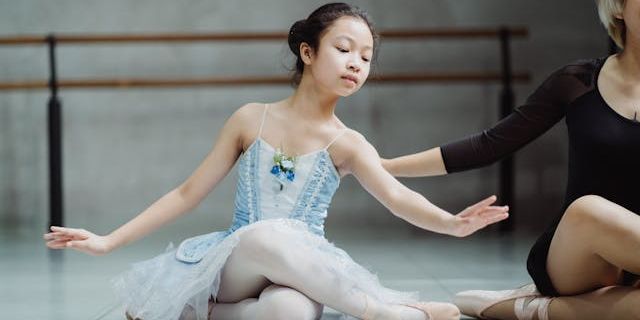
Integrating arts into education is more than just adding a creative outlet for students. It plays a crucial role in their overall development, enhancing critical skills and enriching their educational experience. This guide explores the benefits of arts in education and offers strategies to effectively incorporate artistic activities into the curriculum.
Introduction
Arts in education encompass various forms of creative expression, including visual arts, music, dance, drama, and creative writing. These disciplines offer students unique ways to express themselves, think critically, and engage with the world. This guide will highlight the numerous benefits of arts in education and how they contribute to cultivating creativity and overall student development.
The Benefits of Arts in Education
Incorporating the arts into education provides a wide array of benefits, including:
- Enhanced Creativity: Artistic activities encourage students to think outside the box and develop original ideas. Creativity nurtured through the arts can be applied across all areas of learning and problem-solving.
- Improved Academic Performance: Studies have shown that students involved in the arts often perform better academically. Skills learned through arts, such as critical thinking, collaboration, and perseverance, can enhance academic abilities.
- Emotional Expression and Mental Health: The arts provide a healthy outlet for students to express their emotions and manage stress. Engaging in creative activities can improve mood and mental well-being.
- Cultural Awareness and Empathy: Arts education exposes students to different cultures and perspectives, fostering empathy and a broader understanding of the world.
- Enhanced Motor Skills: Activities like drawing, playing an instrument, or dancing improve fine motor skills and coordination.
- Boosted Confidence and Self-Esteem: Performing arts, in particular, help build confidence as students present their work and receive feedback.
- Social Skills and Teamwork: Many art projects require collaboration, helping students develop communication and teamwork skills.
Strategies for Incorporating Arts into Education
To effectively integrate arts into the curriculum, educators can adopt various strategies that cater to different interests and skills:
Visual Arts
- Art Projects: Incorporate drawing, painting, sculpting, and other visual arts projects into the curriculum. These projects can be tied to subjects like history (e.g., creating art inspired by historical periods) or science (e.g., illustrating scientific concepts).
- Art History Lessons: Teach students about famous artists and art movements. Discussing the context and significance of different artworks can deepen students' understanding of history and culture.
- Art Exhibitions: Host school art shows to display student work. This provides students with a sense of accomplishment and encourages them to take pride in their creativity.
Music
- Music Classes: Offer classes in singing, instrumental music, and music theory. Learning to play an instrument or read music can enhance cognitive abilities and discipline.
- School Bands and Choirs: Encourage students to join school bands or choirs. These groups provide a collaborative environment and opportunities for public performance.
- Music Integration: Integrate music into other subjects. For example, use songs to teach language arts concepts or historical events.
Dance
- Dance Classes: Provide classes in various dance styles, such as ballet, hip-hop, and folk dance. Dance helps improve physical fitness and coordination.
- Dance Performances: Organize dance recitals or talent shows where students can perform. This builds confidence and showcases their hard work.
- Movement Activities: Use dance and movement in the classroom to energize students and enhance learning. For example, use movement activities to teach concepts in math or science.
Drama
- Theater Productions: Involve students in school plays and musicals. Acting helps students develop public speaking skills and empathy by stepping into different roles.
- Improvisation Exercises: Use improvisation games to encourage quick thinking and creativity. These exercises can also improve social skills and teamwork.
- Scriptwriting: Encourage students to write their own plays or skits. This integrates writing skills with creative expression.
Creative Writing
- Writing Workshops: Offer workshops where students can explore different forms of creative writing, such as poetry, short stories, and essays.
- Writing Contests: Hold writing contests to motivate students and celebrate their achievements. Provide prompts that inspire creativity and self-expression.
- Integrative Projects: Combine creative writing with other subjects. For example, students can write fictional stories based on historical events or scientific discoveries.
Technology and the Arts
Integrating technology with the arts can provide new and exciting opportunities for creativity.
- Digital Art: Teach students how to create digital artwork using software and apps. Digital art can include graphic design, animation, and video editing.
- Music Technology: Introduce students to music production software and digital instruments. Students can compose and record their own music.
- Online Portfolios: Encourage students to create online portfolios of their work. This helps them organize their creations and share them with a wider audience.
Creating an Arts-Friendly Environment
To foster an environment that supports the arts, schools should:
- Provide Resources: Ensure that students have access to the materials and tools they need for artistic activities, such as art supplies, musical instruments, and digital tools.
- Support Professional Development: Offer training and resources for teachers to integrate the arts into their teaching practices effectively.
- Celebrate the Arts: Organize events that highlight the importance of the arts, such as art fairs, concerts, and drama festivals. Recognize and celebrate students' achievements in the arts.
Conclusion
Incorporating the arts into education is essential for fostering creativity, enhancing academic performance, and supporting the overall development of students. By integrating visual arts, music, dance, drama, and creative writing into the curriculum, educators can create a rich and engaging learning environment.
The arts provide students with valuable skills and experiences that go beyond the classroom. By cultivating creativity and supporting artistic expression, we can help students develop into well-rounded, empathetic, and innovative individuals. Let’s embrace the benefits of arts in education and inspire our students to explore their creative potential. Cultivate creativity and enrich the educational experience for all students!